
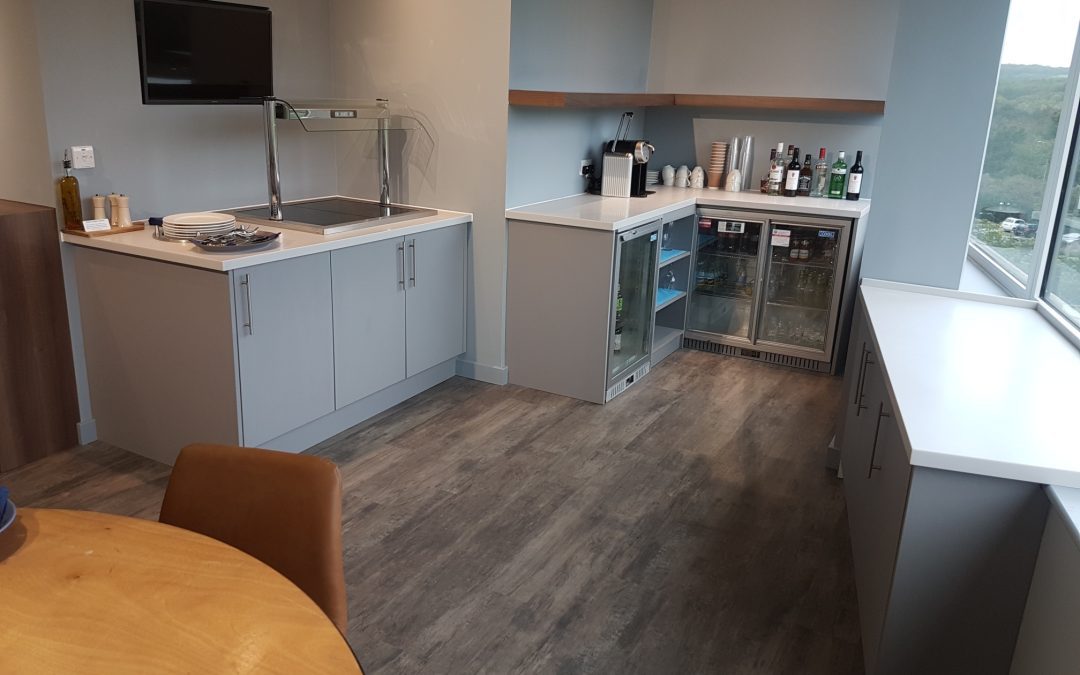
Office Kitchen Design: Balancing Style, Hygiene, and Function
The modern office kitchen, often referred to as a breakout space or tea point, has evolved significantly. It is no longer just a place to heat up lunch or grab a coffee. It is a social hub, an informal meeting spot, and a crucial element of workplace culture. For businesses undertaking a fit-out or refurbishment, the design of this space requires careful consideration. It must strike a balance: it needs to be stylish enough to encourage use, hygienic enough to promote health, and functional enough to handle daily traffic.
This blog post explores the key considerations for achieving successful office kitchen design. We will discuss the elements that contribute to style, efficiency, and hygiene. We will also highlight how custom solutions, particularly high-quality worktops, are central to the success of this vital office area.
The Importance of a Well-Designed Office Kitchen
The kitchen area impacts more than just lunchtime routines. It directly influences employee well-being and interaction.
- Boosting Morale and Retention: A high-quality, welcoming kitchen shows employees they are valued. It acts as a perk that contributes positively to morale and staff retention.
- Fostering Collaboration: Breakout spaces encourage casual, cross-departmental conversations. These informal interactions can lead to greater collaboration and creativity than structured meetings.
- Enhancing Brand Culture: The aesthetic of the kitchen should align with the company’s brand. It provides an opportunity to reflect the business’s values, whether those are modern innovation or calm professionalism.
1. Achieving High Functionality
A successful office kitchen must be designed around its primary function: quick, efficient use by many people.
Layout and Flow:
The layout must support easy movement. Avoid bottlenecks, especially near coffee machines or microwaves. A common layout should separate the preparation area from the social seating zone. This allows people to queue for a drink without blocking those who are eating. Adequate circulation space is crucial.
Appliance Strategy:
Consider the number of employees. One small microwave for fifty staff is inefficient. Plan for sufficient appliances: multiple microwaves, commercial-grade kettles, and large capacity fridges. Integrating appliances seamlessly into bespoke cabinetry creates a clean look and saves space.
Storage Optimisation:
Storage must be plentiful and well-organised. Bespoke cabinets and cupboards are key here. They should be designed to accommodate shared items (cutlery, mugs) and personal items (lockable sections). Clear labelling helps maintain order and reduces clutter, which supports efficiency.
Waste Management:
Make recycling and waste disposal simple. Design integrated units for clear separation of food waste, recycling, and general rubbish. Easy-access, clearly labelled bins encourage correct usage.
2. Prioritising Hygiene and Durability
Hygiene is non-negotiable in any food preparation area, especially a communal one. Durability is necessary to withstand constant use and rigorous cleaning schedules.
Surface Selection for Hygiene:
The work surfaces are the most critical area. They must be non-porous and resistant to spills, stains, and bacteria.
- Worktops: Materials like solid surface (e.g., Corian, Hanex) or high-quality quartz are excellent choices. They offer a seamless finish. This eliminates crevices and joins where bacteria and food particles can accumulate. These materials also withstand frequent wiping with strong disinfectants without degrading.
- Splashbacks and Wall Cladding: Walls near sinks and food areas should be protected by smooth, non-porous panels. This simplifies cleaning compared to painted plaster.
Water Resistance:
Sinks and surrounding areas require materials that are completely water-resistant. Integrated sinks, where the basin flows seamlessly into the worktop (achievable with solid surface), are highly recommended for optimal hygiene.
Durable Cabinetry:
Cabinet doors and drawers are opened and closed dozens of times a day. Bespoke cabinetry should use robust hinges and high-quality laminate or painted finishes that resist chipping and moisture ingress.
3. Integrating Style and Brand
The kitchen should not feel like an afterthought. Its design should be cohesive with the rest of the office and reflect the company brand.
Aesthetic Cohesion:
The material and colour palette should complement the office theme. A technology firm might choose sleek, minimalist white solid surface and dark accents. A creative agency might opt for bright colours and bespoke joinery with natural wood veneers. Custom worktops and cabinets are the primary tools for achieving this tailored aesthetic.
Lighting and Ambiance:
Lighting defines the atmosphere. Use a mix of task lighting (under cabinets) and ambient lighting (decorative pendants over a counter or island). The goal is to make the space feel inviting and distinct from the main workspace.
Comfortable Seating:
Provide varied seating options. High stools at a custom counter encourage quick breaks. Banquette seating or soft chairs around a table encourage longer, more relaxed meetings. The seating should be comfortable but also made with durable, easy-to-clean fabrics or vinyl.
BRAC Projects and Your Custom Kitchen
The foundation of a stylish, hygienic, and functional office kitchen is high-quality, precise fabrication. Standard solutions often compromise one or more of these elements.
BRAC Projects specialises in delivering the bespoke worktops and counters that serve as the functional heart of any modern kitchen. We offer:
- Custom Worktops: Our worktops are manufactured to exact specifications. We work with materials like solid surface and high-pressure laminate. This ensures a perfect fit, maximum workspace, and a fully hygienic surface free from dirt traps.
- Bespoke Cabinetry: We design and manufacture custom-made cabinets and cupboards. These optimise storage, integrate seamlessly with appliances, and use durable materials designed for frequent use.
- Integrated Solutions: We can incorporate seamless sinks and drainage areas directly into solid surface worktops. This provides superior hygiene control.
- Counters and Seating: We create bespoke counters for serving or seating areas. We also provide durable bespoke benches for breakout zones.
By choosing BRAC Projects, you ensure that your office kitchen is an asset. It will support your staff’s well-being and enhance your company’s efficiency.
Conclusion
The office kitchen is a vital investment in workplace culture and productivity. Successful design requires careful balancing of aesthetic style, rigorous hygiene standards, and operational efficiency. By prioritising high-quality, bespoke fabrication—especially for the worktops and integrated joinery—businesses can create a space that employees genuinely value and that contributes positively to the company’s overall success. Contact BRAC Projects today to discuss how our bespoke solutions can create the perfect kitchen for your modern office.