

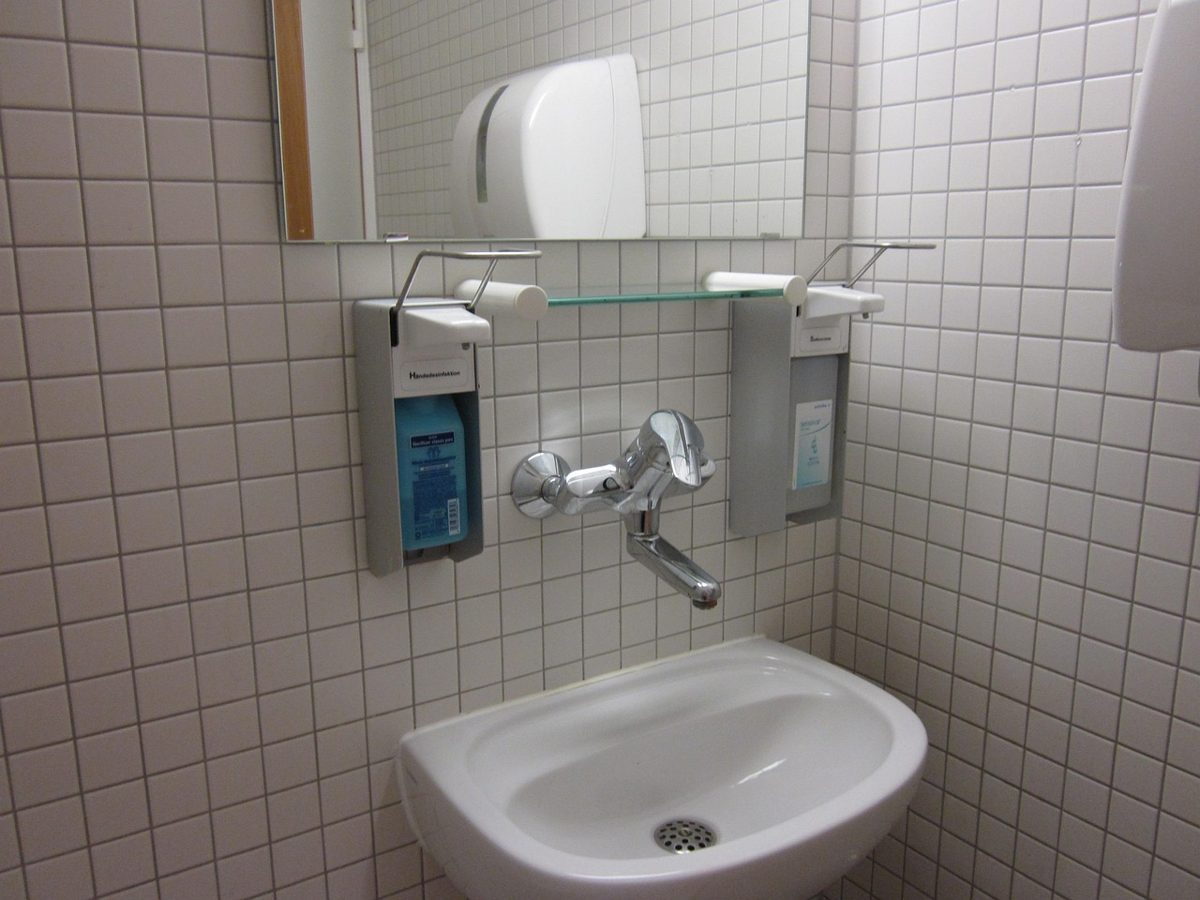
If you manage a building, you have probably been approached by washroom hygiene companies and by washroom design and fit-out companies, and wondered whether they are competing for the same budget. They are not. Washroom hygiene services look after what goes in and on a washroom day to day. Washroom design decides what the washroom is made of and how it is laid out. A hygiene contract cannot fix a badly designed washroom, and a beautifully designed washroom still needs servicing.
Table of Contents
This guide explains what each one covers, where they overlap and how to decide what your washrooms need.
What are washroom hygiene services?
Washroom hygiene services are regular, usually contracted, services that supply and maintain the items people use in a washroom and keep it hygienic between cleans. They are normally supplied by specialist companies on a rental or service-contract basis. Typical elements include:
- Sanitary disposal: bins and collection for sanitary waste
- Soap and hand-care dispensers: supply and refilling
- Air care: fresheners and odour control
- Hand drying: towel dispensers or electric dryers, serviced and supplied
- Toilet seat sanitisers and toilet-roll dispensers
- Nappy and incontinence waste collection where needed
- Specialist and deep cleaning: periodic cleaning beyond the daily clean
- Drain and odour treatments
- Pest control where relevant
The common feature is regularity. Someone visits on a schedule, replaces consumables, removes waste and keeps equipment working. Day-to-day cleaning is usually separate again, done by in-house staff or a cleaning contractor.
What is washroom design?
Washroom design is the planning and installation of a washroom’s permanent elements. It decides how the room is laid out, which materials are used and how everything is fitted. That includes:
- Layout and circulation
- Cubicles and partitions, including door and lock choices
- Wall and floor finishes
- Vanity units and basins
- IPS panelling and duct systems to conceal pipework
- Accessible provision
- Ventilation, lighting and acoustics
Design is done once, or at each refurbishment, and its effects last for years. If you want to understand the process, see our guides to commercial washroom installation from design to handover and the office washroom design checklist.
How do washroom hygiene services and washroom design compare?
| Washroom hygiene services | Washroom design | |
|---|---|---|
| What it covers | Consumables, dispensers, waste collection, air care, specialist cleaning | Layout, cubicles, panelling, vanities, finishes |
| How often | Regular, on a schedule | Once, then at refurbishment |
| Typical arrangement | Service or rental contract | Project with design, supply and installation |
| Who provides it | Specialist hygiene companies | Washroom designers, manufacturers and installers |
| What it fixes | Supplies, smells, waste, between-clean hygiene | Durability, cleanability, privacy, accessibility, appearance |
| What it cannot fix | Damaged, porous or poorly detailed surfaces | Day-to-day restocking and waste removal |
Why can’t washroom hygiene services fix a badly designed washroom?
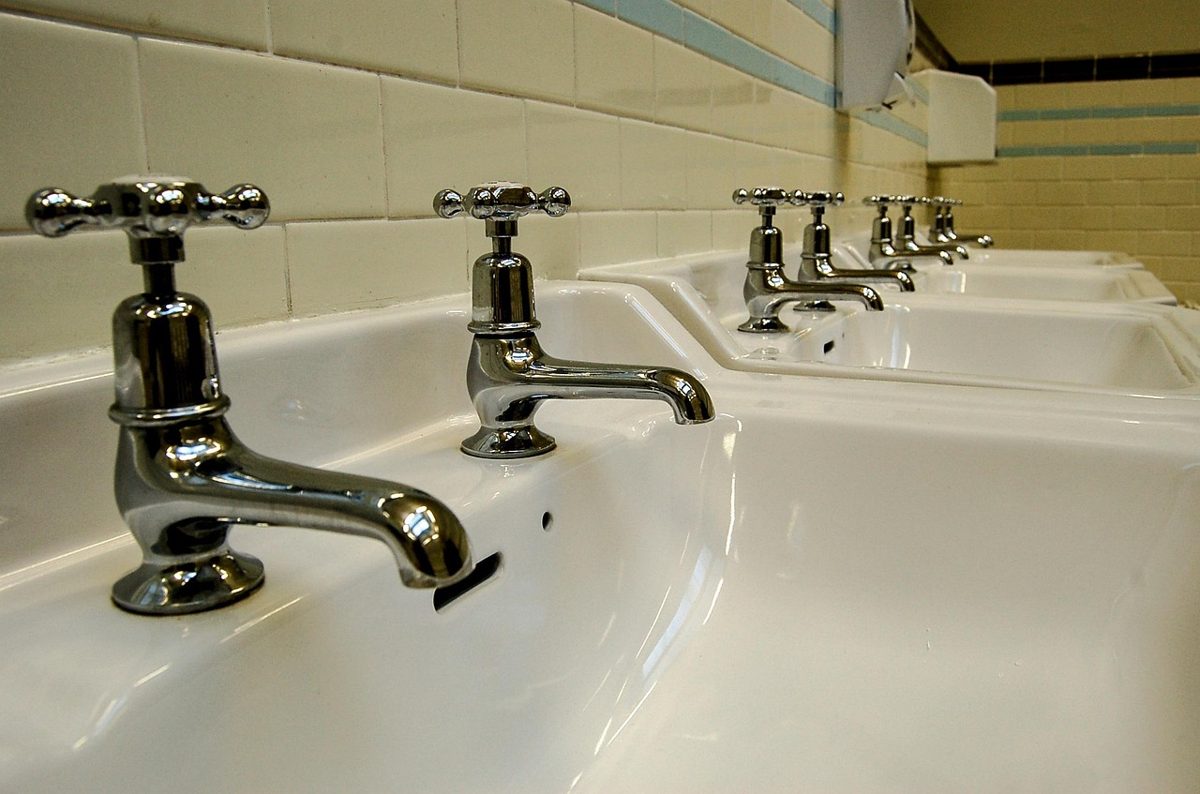
Washroom hygiene services top up and remove things. They cannot change the room. If the room itself works against hygiene, the service ends up fighting it. Common examples:
- Porous or swollen surfaces. Cubicle panels or wall boards that absorb moisture swell, split and harbour dirt. No dispenser or air freshener fixes that.
- Exposed pipework and cisterns. Dust and splashes collect around pipes, and cleaning around them takes longer.
- Gaps and joints. Open joints and gaps behind fittings trap dirt and are hard to clean.
- Poor ventilation. Persistent damp and odour are often a ventilation problem, not a product problem.
- Cubicles that wear out. Failed locks, broken hinges and damaged doors mean cubicles are out of service, and no hygiene contract helps.
- No space for equipment. Dispensers and bins squeezed into awkward spots get knocked, leak and are hard to refill.
The materials and detailing matter. For example, solid surfaces resist germs better than porous finishes, and a well-designed washroom aids hygiene simply because it is easier to keep clean. Our guide to reducing washroom vandalism covers the damage side of the same problem.
Why can’t good design replace washroom hygiene services?
Even the best washroom needs supplies and washroom hygiene services. Design reduces the work; it does not remove it. Someone still has to:
- Keep soap, paper and sanitary products stocked
- Empty and dispose of sanitary waste safely
- Keep dispensers and dryers working
- Treat odours and drains
- Deep clean on a schedule
A washroom with excellent finishes and an empty soap dispenser is still a poor washroom. That is exactly the kind of failure customers and staff notice. Our guide to pub toilets and repeat custom discusses how missing supplies and unclean facilities top complaint lists.
What does the law expect?
Employers must provide suitable washroom facilities and keep them clean. Under the Workplace (Health, Safety and Welfare) Regulations 1992, sanitary conveniences must be suitable and sufficient, adequately ventilated and lit, and kept in a clean and orderly condition. Washing facilities must have clean running water, soap and a means of drying.
The regulations set outcomes, not products. They do not say you must have a hygiene contract or a particular design. They expect the washroom to be sufficient, clean and orderly, and both design and servicing help you meet that. For provision numbers, see our guide to how many toilets you need in a workplace and the legal requirements for workplace toilets.
Sanitary waste has its own rules for storage and disposal. Use a licensed provider and ask for the paperwork.
Where do design and hygiene services overlap?
The best results come from planning the two together, because several design decisions determine how well washroom hygiene services work.
- Dispenser positions. Plan soap, towel and bin positions at the design stage, with fixing points and clear access for refilling. Dispensers located over a vanity top or recessed into panelling stay tidy.
- Space for bins. Cubicles used by women need sanitary bins; accessible toilets need room for bins that do not block circulation.
- Touch-free options. Sensor taps, dispensers and flushes reduce contact and are easier to specify during the build than to retrofit.
- Cleaning access. Wall-hung fittings, coved flooring and concealed services reduce what a cleaner must work around.
- Storage. A cleaner’s cupboard or storage near the washroom avoids using the accessible toilet or cubicles for storage.
- Durability. Hard-wearing finishes tolerate the chemicals and frequency of professional cleaning.
If you are planning a project, tell the hygiene provider and the installer about each other early. A short conversation before the first fix is much cheaper than relocating a dispenser or bin after the tiles go on.
Do you need washroom hygiene services, design or both?
Use this as a quick guide.
You mainly need washroom hygiene services if:
- The washroom is in good condition and well designed
- Complaints are about supplies, smells or waste
- You want to outsource restocking and sanitary waste collection
You mainly need design work if:
- Surfaces are damaged, stained or swollen
- Cubicles, locks or hinges keep failing
- The washroom is hard to clean or looks dated
- You are failing accessibility or privacy expectations
- Complaints continue even with regular cleaning and servicing
You need both if:
- You operate a busy commercial, public, education or leisure site
- You are refurbishing and want the new washroom to stay in good condition
- Reputation matters, as in hospitality, retail and lettings
For a lot of buildings, the sensible sequence is: fix the fabric first, then set up the service around the new layout.
How do you brief both suppliers?
A short brief to each helps them work together.
To your designer or installer:
- Tell them who provides your hygiene service and what equipment they use
- Ask for dispenser and bin positions to be shown on the drawings
- Ask for finishes that suit your cleaning chemicals and frequency
To your hygiene provider:
- Share the refurbishment programme and layout
- Ask about equipment sizes and fixing needs
- Agree when equipment will be removed and reinstalled
For both:
- Agree who is responsible for what at handover
- Keep the maintenance guidance for finishes alongside the service schedule
Frequently asked questions
What are washroom hygiene services?
They are regular services and consumables that keep a washroom supplied and hygienic, such as sanitary disposal, soap and towel dispensers, air care and specialist cleaning, usually provided under a contract.
Is washroom hygiene the same as washroom cleaning?
No. Cleaning removes dirt from surfaces, usually daily. Hygiene services supply and maintain consumables, equipment and waste collection, and may include periodic deep cleaning.
Does good washroom design reduce hygiene costs?
It can. Easy-to-clean surfaces, wall-hung fittings and concealed pipework reduce cleaning time, and durable finishes last longer between replacements. The effect depends on the washroom and its use.
Can a hygiene service company design my washroom?
Companies that provide washroom hygiene services supply and service equipment. Designing and fitting the washroom itself, including cubicles, panelling and vanity units, is a different trade, usually carried out by a specialist designer, manufacturer or installer.
Which should I do first: new design or a new hygiene contract?
If the washroom needs refurbishing, fix the design first so the hygiene service can be set up around the new layout. If the washroom is sound, a hygiene contract can start immediately.
What does BRAC Projects provide?
BRAC Projects designs, manufactures and installs washroom cubicles, panelling and vanity units. We do not supply recurring washroom hygiene services, but we plan dispenser and bin positions into the design so your chosen provider can work smoothly.
Get the design right first
If your washrooms are hard to keep clean, the cause is often the fabric rather than the service. Contact BRAC Projects to discuss washroom cubicles, vanity units and panelling that are built to be cleaned, and we will advise on layout and specification.