

The right commercial toilet bowl makes a washroom easier to clean, harder to damage and cheaper to maintain. Most UK commercial washrooms use one of three pan types: wall-hung, close-coupled or back-to-wall. This guide compares all three on cleaning, durability, maintenance access, cost and accessibility, so you can choose the commercial toilet bowl that suits your building and your users.
Table of Contents
What is a commercial toilet bowl?
A commercial toilet bowl is a WC pan designed for workplaces, schools, healthcare, leisure and public buildings, where it will be used far more often than a domestic toilet. In the UK it is usually called a WC pan. It is normally made from vitreous china, or from stainless steel in prisons and other high-risk settings, and it should meet BS EN 997, the European standard for WC pans.
The main difference between pan types is how the bowl and cistern are mounted. That choice affects how the washroom looks, how quickly cleaners can work and how easy it is for maintenance teams to reach the cistern. Our older guide Toilets: what’s your type? gives a broader overview of WC styles.
What is a wall-hung toilet pan?
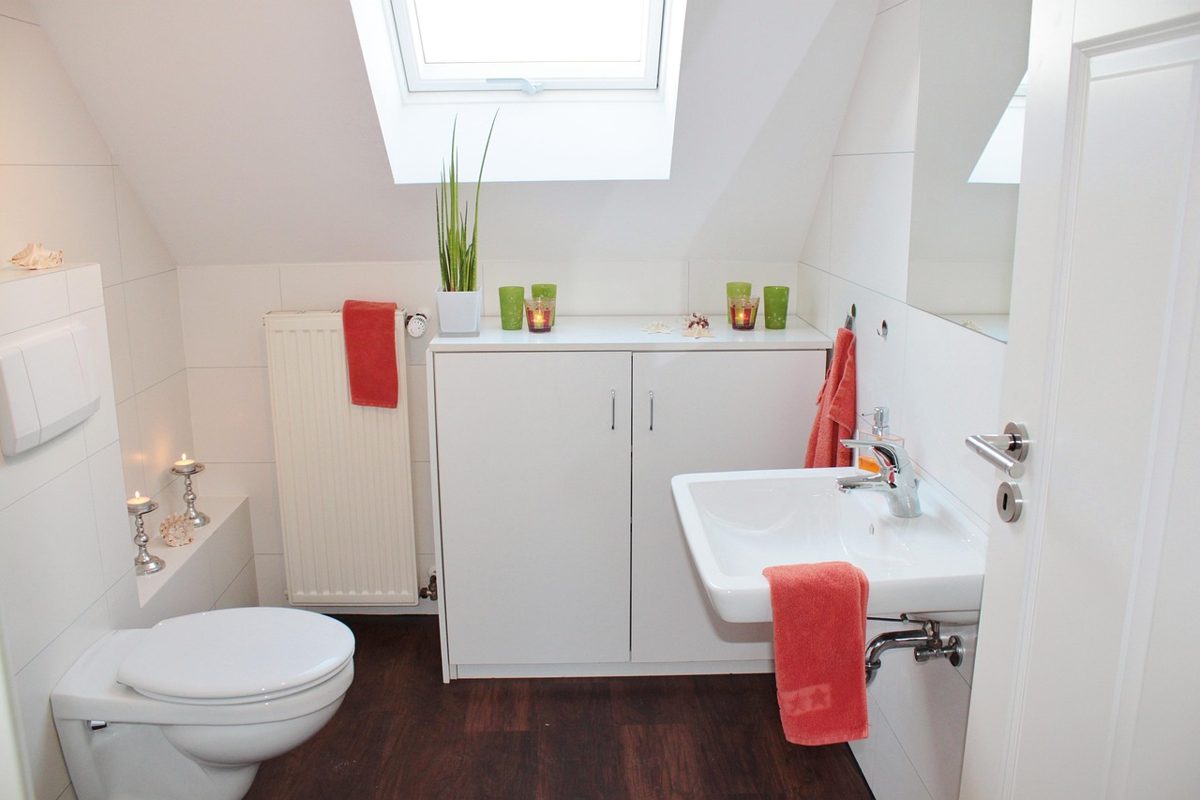
A wall-hung pan is fixed to the wall with no pedestal touching the floor. The pan is bolted to a steel support frame, and the cistern is hidden behind a panel or a built-in duct. Only the bowl and a flush plate are visible.
- Cleaning: the floor beneath the pan is completely clear, so cleaners can mop straight underneath. This is the biggest advantage in busy washrooms.
- Appearance: clean, modern and easy to match with full-height cubicles and IPS panels.
- Height: the pan can be set at the right height for the users, which is useful for accessible WCs and schools.
- Watch-outs: the support frame must be fitted correctly and rated for commercial use. Maintenance access to the cistern is through the flush plate or a removable panel, so plan this at design stage.
What is a close-coupled toilet pan?
A close-coupled pan has the cistern sitting directly on the back of the pan, with both parts standing on the floor. It is the most common toilet in UK homes and is still used in some commercial settings because it is simple to fit and replace.
- Cost: usually the cheapest option to buy and install, because no frame or duct is needed.
- Maintenance: the cistern is easy to reach by lifting the lid.
- Watch-outs: the exposed cistern and pedestal are harder to clean around, collect dust and are easier to tamper with or damage. Visible pipework can also make the washroom look dated.
Close-coupled pans suit small staff toilets and low-traffic areas. In public or high-traffic washrooms, most specifiers now choose a concealed-cistern option instead.
What is a back-to-wall toilet pan?
A back-to-wall pan stands on the floor but sits tight against a wall or duct panel, with the cistern and pipework hidden behind it. It gives a tidier look than a close-coupled pan without the support frame needed for a wall-hung pan.
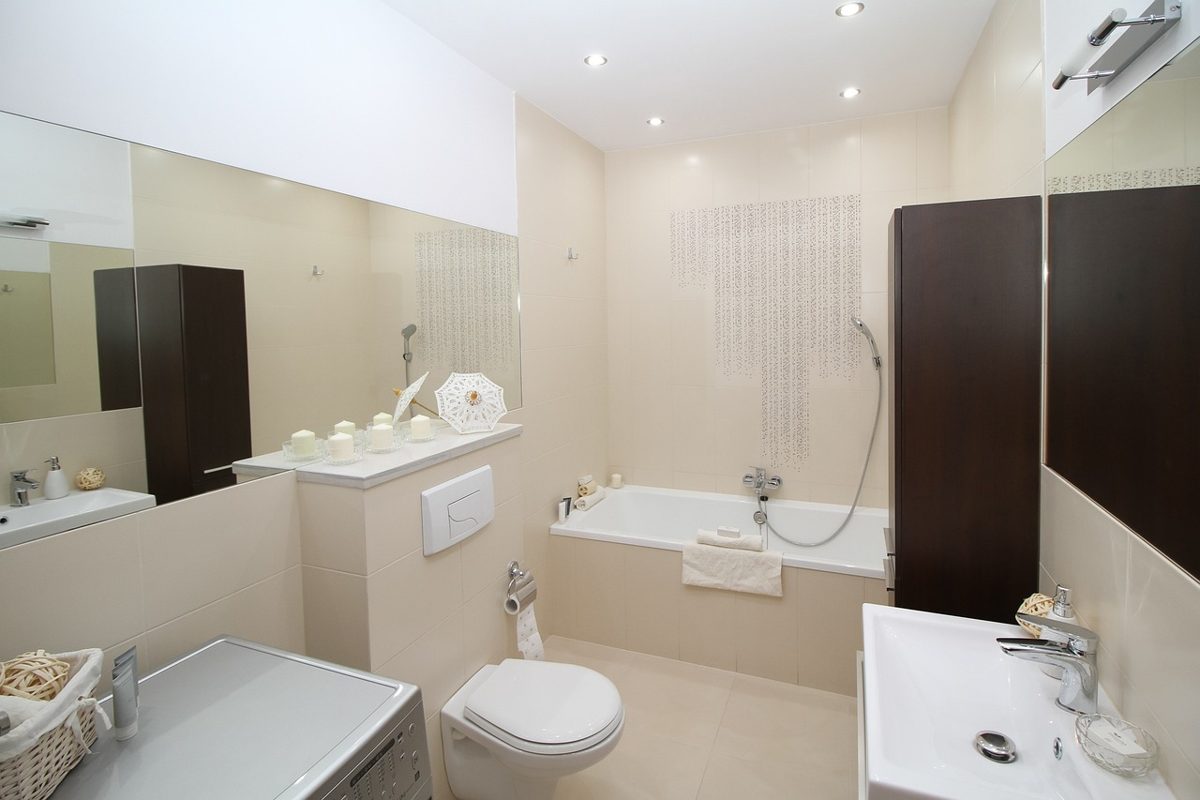
- Appearance: no visible cistern or pipes, so the room looks clean and modern.
- Security: the concealed cistern is protected from tampering.
- Watch-outs: the pedestal still sits on the floor, so cleaning around the base takes more time than with a wall-hung pan.
Back-to-wall pans pair naturally with IPS and duct panelling, which hides the cistern and services while giving maintenance teams access through lockable panels.
Wall-hung vs close-coupled vs back-to-wall: which commercial toilet bowl is best?
For most high-traffic washrooms, a wall-hung commercial toilet bowl is the best choice because it is the easiest to clean and looks the most modern. Back-to-wall is a strong alternative when a frame is not practical, and close-coupled suits low-use staff areas on a tight budget.
| Feature | Wall-hung | Close-coupled | Back-to-wall |
|---|---|---|---|
| Cleaning under and around the pan | Easiest, floor fully clear | Hardest, exposed pedestal and cistern | Moderate, pedestal on floor |
| Cistern | Concealed behind panel | Exposed on top of pan | Concealed behind panel |
| Vandal resistance | High | Low | High |
| Installation cost | Highest, needs frame and duct | Lowest | Medium, needs duct |
| Maintenance access | Through flush plate or panel | Lift the cistern lid | Through access panel |
| Adjustable height | Yes, set on the frame | No | No |
| Best for | Offices, schools, healthcare, leisure | Small staff toilets | Refurbishments and public washrooms |
Which commercial toilet bowl is easiest for commercial toilet cleaning?
A wall-hung pan is the easiest commercial toilet bowl for commercial toilet cleaning, because nothing touches the floor under the bowl. Cleaners can mop the whole floor in one pass, and there is no pedestal joint where dirt and urine can collect.
Other features also make commercial toilet cleaning faster:
- Rimless pans. With no hidden rim, there is nowhere for bacteria and limescale to build up out of sight.
- Concealed cisterns. Fewer exposed surfaces to wipe and less dust.
- Full-height cubicles and sealed IPS panels, which remove gaps that trap dirt. See our guide to full-height toilet cubicles.
- Hard-wearing seats with quick-release hinges, so seats can be removed for deep cleaning.
How much water should a commercial WC use?
In the UK, a WC installed since 1 January 2001 must flush with no more than 6 litres, under the Water Supply (Water Fittings) Regulations 1999. Dual-flush WCs are allowed, provided the smaller flush is no more than two-thirds of the larger one.
Older pans often use 9 litres or more per flush, so replacing them with modern dual-flush pans can cut water use noticeably in a busy building. Check that the pan and cistern are tested to work together, and look for WRAS approval on the fittings. Our guide to how toilet cisterns work explains the flushing mechanism.
What should you consider for an accessible WC pan?
An accessible WC pan must suit wheelchair users and people with limited mobility. Approved Document M sets the WC seat height at 480 mm in a wheelchair-accessible toilet, with grab rails on both sides of the pan.
A wall-hung pan makes it easier to hit the right height, because the frame can be set before the pan is fitted. Extended-projection pans give more space for transfers. Read our guide to the correct grab bar by toilet positions for rail heights and layout.
How do you choose the right commercial toilet bowl for your building?
Choose a pan by matching the pan type to your users, footfall, cleaning routine and budget. Work through these steps with your designer or washroom supplier.
Step 1: Assess footfall and risk of misuse
High-traffic and public washrooms benefit from wall-hung or back-to-wall pans with concealed cisterns. Custodial and high-risk settings may need stainless steel.
Step 2: Check the wall and duct space
Wall-hung pans need a strong wall or a frame within a duct. Back-to-wall pans need a duct deep enough for the cistern.
Step 3: Plan maintenance access
Make sure every concealed cistern can be reached through a flush plate or lockable access panel without removing tiles.
Step 4: Confirm water use and standards
Specify pans to BS EN 997 with a flush of 6 litres or less, and WRAS-approved fittings.
Step 5: Coordinate with cubicles and panels
Fix the pan positions before cubicles and IPS panels are made, so set-out and access panels line up. Our commercial toilet layout guide covers spacing.
Choosing your commercial toilet bowl
A wall-hung commercial toilet bowl is the best all-round choice for busy washrooms, back-to-wall pans suit refurbishments and close-coupled pans suit low-use areas. Whatever you choose, plan the duct, frame and access panels at the start. BRAC Projects designs, manufactures and installs toilet cubicles, IPS duct panelling and complete washrooms across the UK. Read about commercial washroom refurbishment, explore our washrooms and toilet cubicles service or contact us with your drawings.
Frequently asked questions
What is the best commercial toilet bowl for a busy washroom?
A wall-hung commercial toilet bowl with a concealed cistern is usually the best choice for a busy washroom. The floor underneath stays clear for cleaning, the cistern is protected from tampering and the pan height can be set to suit the users.
Are wall-hung toilets strong enough for commercial use?
Yes, provided the pan is fixed to a support frame designed for commercial loads and installed to the manufacturer’s instructions. The strength comes from the frame and its fixings to the floor and wall, not from the pan alone.
Is a back-to-wall toilet easier to clean than a close-coupled toilet?
Yes. A back-to-wall toilet hides the cistern and pipework behind a panel, so there are fewer surfaces to clean. The pedestal still sits on the floor, so it is not quite as easy to clean as a wall-hung pan.
How do you access the cistern on a concealed toilet?
Concealed cisterns are reached through the flush plate opening or through a lockable access panel in the duct. Plan the access position at design stage so maintenance teams can repair valves without removing tiles or panels.
What material are commercial toilet bowls made from?
Most commercial toilet bowls are made from vitreous china, which is hard-wearing, non-porous and easy to clean. Stainless steel pans are used in prisons, custody suites and other settings where vandal resistance is critical.
How often should commercial toilets be cleaned?
It depends on footfall, but busy commercial toilets typically need checks and cleaning several times a day, plus a deep clean on a regular schedule. Wall-hung, rimless pans and concealed cisterns make each clean faster.